Understanding the Importance of Spa Ads
In an increasingly competitive market, Spa Ads have become essential for attracting and retaining clients. As consumers navigate a plethora of wellness options, spas must formulate effective advertising strategies to stand out. The efficacy of spa ads not only hinges on creativity but also on how well they resonate with target demographics, convey value, and ultimately drive bookings. Spa advertising encompasses various channels, including digital platforms, traditional media, and local outreach, all designed to build brand awareness and foster relationships with clients.
The Role of Advertising in Spa Growth
Advertising plays a pivotal role in driving growth for spas. When executed effectively, it can lead to increased visibility, enhance brand recognition, and generate a steady flow of new patrons. The right advertising campaign will not only highlight the spa’s unique services but also create a sense of urgency through limited-time offers or exclusive packages. Understanding the target audience’s needs is crucial; spa ads must speak directly to their desires for relaxation, rejuvenation, and self-care.
Common Misconceptions About Spa Marketing
Many spa owners hold misconceptions about what constitutes effective marketing. One common belief is that high-budget advertisements guarantee success. However, impactful spa marketing can be achieved on a modest budget by focusing on strategic content, authentic messaging, and community engagement. Additionally, some believe that once a marketing strategy is implemented, it does not require modification. This fails to recognize the need for constant assessment and adaptation in response to consumer behavior and market trends.
Setting Clear Objectives for Spa Ads
Successful spa advertising begins with well-defined objectives. Clear goals can range from increasing foot traffic by a certain percentage to boosting online appointment bookings or enhancing social media engagement. Establishing measurable objectives allows spa owners to evaluate the effectiveness of their campaigns and make necessary adjustments along the way. Utilizing tools like Google Analytics or social media insights can assist in tracking these metrics.
Effective Strategies for Spa Advertising
The landscape of spa advertising is dynamic, requiring businesses to stay abreast of the latest trends and technologies. Integrating a mix of traditional and digital marketing strategies is essential for maximizing reach and engagement.
Utilizing Social Media for Spa Ads
Social media platforms present an unparalleled opportunity for spas to connect with their audience. By leveraging visually appealing content on platforms like Instagram and Facebook, spas can showcase their ambiance, services, and client experiences. Regular posts featuring special promotions, client testimonials, or behind-the-scenes glimpses can foster community and dialogue. Additionally, using targeted ads on these platforms can help reach specific demographics, driving more traffic to their services.
Creating Targeted Email Campaigns for Spa Promotions
Email marketing remains a potent tool for spas, providing a direct line of communication with potential and existing clients. Crafting personalized email campaigns to promote new services, seasonal offers, or loyalty programs can significantly boost engagement rates. Effective segmentation of the email list allows spas to tailor their content, ensuring that promotions resonate with the recipients’ interests and past visit history.
Incorporating Influencer Marketing in Spa Ads
Influencer partnerships can amplify a spa’s reach and credibility. Collaborating with local wellness influencers or beauty bloggers allows spas to tap into their established audiences. Influencers sharing their own unique experiences at a spa can effectively leverage social proof, enticing their followers to explore the spa’s offerings. It is essential, however, to choose influencers whose values align with the spa’s brand to maintain authenticity.
Crafting Compelling Spa Ad Content
The content within spa ads should focus on the elements that differentiate the spa from competitors. High-quality content not only attracts attention but also converts interest into appointments.
Visual Elements That Captivate Potential Clients
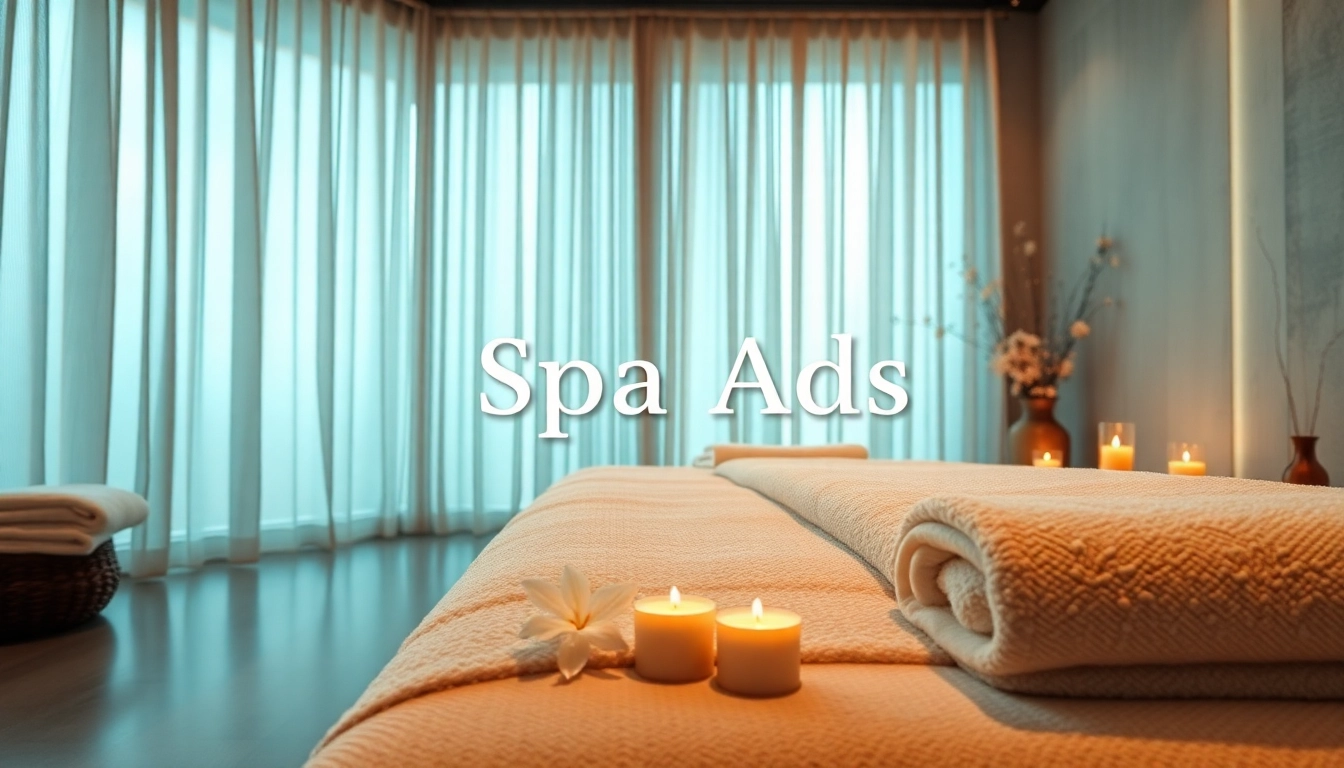
Visual appeal is integral to spa advertising. Beautiful photography of the spa’s environment, treatment rooms, and services can create a strong first impression. Incorporating calming colors, soothing designs, and professional graphics helps potential clients envision their experience. In an era where content is often consumed quickly, striking visuals can make a significant impact in capturing interest.
Using Testimonials and Reviews in Spa Ads
Consumer testimonials can instill trust and validate the credibility of services offered. Including positive reviews in spa ads can greatly influence potential clients’ decisions. Highlighting testimonials from satisfied customers can humanize the brand and create an emotional connection. Additionally, platforms like Google My Business and Yelp can serve as valuable sources of genuine feedback that can be featured in promotional materials.
Highlighting Unique Services in Spa Advertisements
Every spa offers its own unique services, and these must be emphasized in advertisements. Whether it’s a signature treatment, exclusive products, or specialized wellness programs, making these offerings prominent can attract niche markets. Clear descriptions of how these services benefit clients will entice them to make an appointment. Focus on the results and experiences clients can expect, catering to their holistic well-being needs.
Measuring Success of Spa Ads
For spas, the effectiveness of their advertising strategies can be gauged through various performance metrics. Understanding what constitutes success is crucial for continuous improvement.
Key Performance Indicators for Spa Advertising
Key Performance Indicators (KPIs) such as appointment bookings, customer acquisition cost, and return on investment (ROI) should be monitored closely. Tracking these KPIs enables spas to determine which marketing strategies yield the best results and inform future campaigns. For example, if a particular social media campaign drives higher bookings, it may warrant an increased advertising budget in that area.
Analyzing Audience Engagement with Spa Ads
Measuring audience engagement provides insights into how well ads resonate with the target market. Metrics such as click-through rates, session duration, and social media interactions help assess the effectiveness of content. Regularly reviewing these metrics allows spa marketers to identify trends, preferences, and areas of improvement. Engaging with comments and feedback on social media can also provide valuable information about client interests.
Adjusting Strategies Based on Ad Performance Data
Data-driven decisions are essential in refining advertising strategies. By continuously analyzing performance data, spas can pivot their marketing efforts to better align with consumer behaviors and preferences. This iterative approach allows businesses to optimize spending and improve overall marketing effectiveness, ensuring that campaigns evolve with the changing landscape of spa services and customer expectations.
Future Trends in Spa Advertising for 2025
As the digital landscape continues to evolve, so too does the approach to spa advertising. Staying informed about emerging trends is vital for maintaining competitive advantage.
Emerging Technologies to Enhance Spa Advertising
Technological advancements such as augmented reality (AR) and artificial intelligence (AI) are poised to revolutionize spa advertising. For example, AR can enable potential clients to visualize treatments or even experience virtual tours of the spa environment. AI-driven personalization can enhance marketing campaigns by analyzing customer data to deliver tailored promotions and experiences that resonate with individual preferences.
Adapting to Consumer Behavior Changes in Spa Marketing
Consumer behaviors are continually changing, influenced by factors such as economic conditions and evolving wellness trends. Staying current with these shifts is necessary for spas aiming to connect with clients. For instance, as remote working becomes more prevalent, spas may find an increased demand for services that cater to home-based professionals looking to unwind and de-stress.
Leveraging Data Analytics for Effective Spa Ads
Data analytics will play an increasingly critical role in shaping spa advertising strategies. By harnessing data from past campaigns, social media interactions, and customer feedback, spas can gain insights into what works and what doesn’t. This allows for more informed decision-making, creating ads that are not only engaging but also aligned with client expectations and preferences.