Understanding the Importance of Leak Detection
Leak detection is a critical service for homeowners who want to protect their properties from extensive damage and costly repairs. By identifying leaks early, you can not only save money but also ensure the integrity and safety of your home environment. The Leak Hunter excels in leak detection, offering reliable and professional services tailored to suit your specific needs. Understanding what leak detection is and the various types of leaks that can affect your property will help you appreciate the significance of timely interventions in leak management.
What is Leak Detection?
Leak detection refers to the process of identifying and locating leaks in various systems, including plumbing, heating, and gas lines. It employs advanced technologies and methods to accurately pinpoint the source of leaks without causing unnecessary damage to the property. Effective leak detection is vital not only for residential properties but also for commercial buildings, where leaks can disrupt business operations and incur significant costs.
Common Types of Leaks in Homes
Leaks can occur in several areas within a home, and each type poses unique challenges:
- Water Supply Leaks: Commonly found in hot and cold water supply lines, these leaks can lead to high water bills and mold growth.
- Gas Leaks: Hazardous and potentially life-threatening, gas leaks require immediate attention to ensure safety.
- Heating System Leaks: These often go undetected, leading to inefficiencies and higher energy costs.
- Underground Leaks: Buried pipes can burst and create serious issues without any visible signs at the surface.
The Consequences of Undetected Leaks
Failing to address leaks can result in significant damage to your home. Common consequences include:
- Structural Damage: Water can erode the foundation and weaken walls over time.
- Health Risks: Mold and mildew growth can lead to respiratory issues for occupants.
- Higher Utility Bills: Unnoticed leaks can inflate your monthly water and heating expenses.
- Property Value Decrease: A home with a history of leaks may have diminished market value.
Advanced Technologies in Leak Detection
Modern leak detection utilizes cutting-edge technologies to ensure fast, accurate, and non-invasive services. Understanding these methods can help you make informed decisions about the best options for your home.
Overview of Non-Invasive Methods
Non-invasive leak detection techniques are designed to minimize damage to your property while effectively locating leaks. These methods include:
- Pressure Testing: This technique checks for changes in pressure within the pipe system to identify potential leak locations.
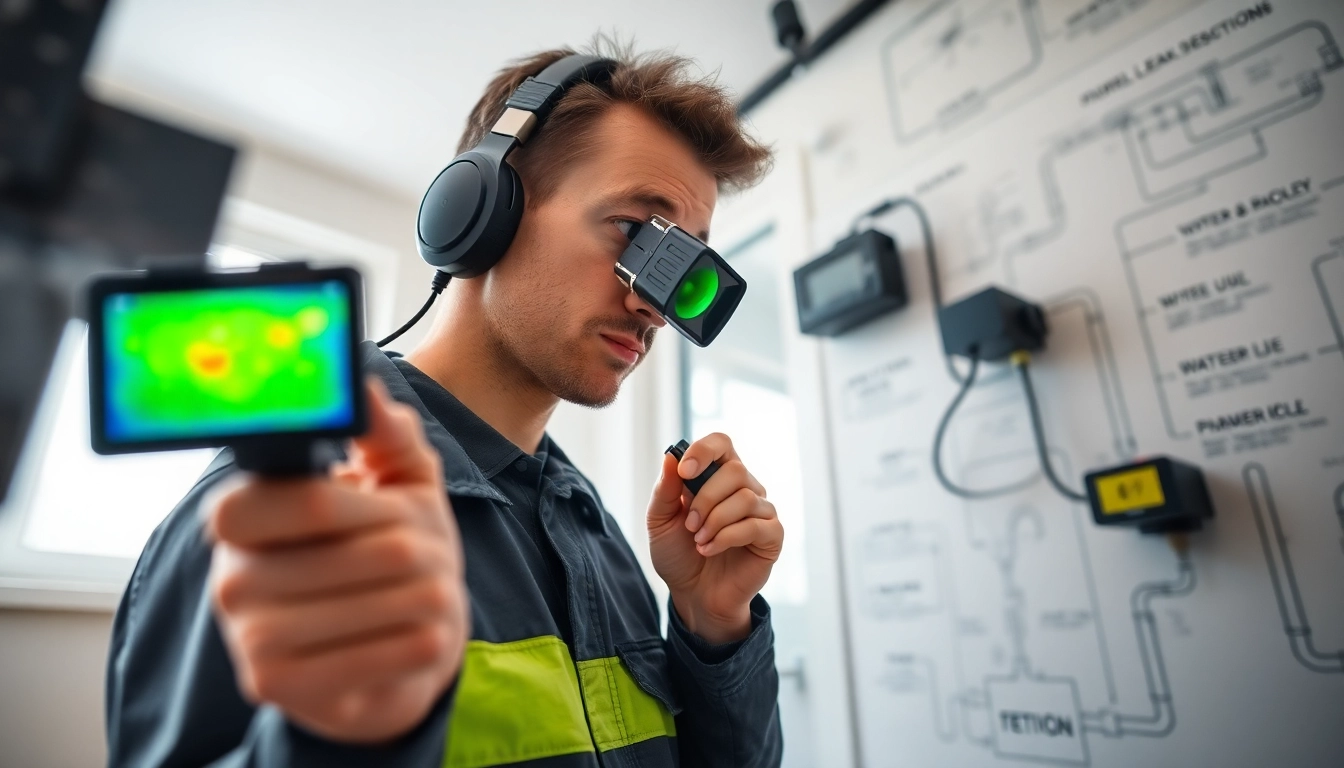
- Thermal Imaging: Utilizes infrared technology to detect temperature variations in walls and ceilings, indicating hidden leaks.
- Acoustic Listening Devices: These tools pick up the sounds of water escaping from pipes, even when they are buried underground.
How Thermal Imaging Cameras Work
Thermal imaging cameras detect heat emitted from different surfaces. When a leak occurs, the surrounding area may exhibit a temperature difference, which thermal imaging can capture. This allows technicians to visualize and locate leaks without invasive procedures, preserving the integrity of your walls and ceilings.
The Role of Acoustic Listening Devices
Acoustic detection tools operate by amplifying sounds generated by escaping water or gas. These devices can detect subtle noises that are otherwise inaudible to the human ear, making them incredibly effective in pinpointing the source of a leak, even in deep or inaccessible areas.
The Leak Detection Process Explained
The process of leak detection involves several critical steps to ensure accurate diagnosis and repair recommendations. Understanding this process can help you feel more confident in hiring professionals for the job.
Initial Assessment and Diagnosis
The first step in the leak detection process is conducting a thorough assessment of your property. This often includes a visual inspection, followed by the use of specialized tools to evaluate the plumbing systems, heating structures, and gas lines for potential faults.
Step-by-Step Leak Location Methods
After the initial assessment, technicians will implement various detection methods to locate the leak accurately. This can involve:
- Applying thermal imaging to identify temperature discrepancies.
- Utilizing acoustic devices to listen for water escaping.
- Conducting pressure tests on water lines to detect irregularities.
Reporting Findings and Suggested Repairs
Once the leak is located and diagnosed, you will receive a comprehensive report detailing the findings. This report typically includes:
- Photographs of affected areas.
- Recommendations for repairs or replacements.
- Estimates for the cost of repairs to resolve the leak.
Choosing a Leak Detection Specialist
When it comes to selecting a leak detection service, the quality of expertise and technology matters. Here are essential criteria to consider when making your choice.
What to Look for in a Professional Service
Ensure that the leak detection company has the following attributes:
- Certifications: Look for companies with certified technicians who have undergone extensive training.
- Experience: A provider with years of experience is likely to have encountered a wide range of issues.
- Advanced Technologies: Ensure they use the latest non-invasive methods to minimize damage during detection.
Questions to Ask Your Leak Detection Expert
When interviewing potential leak detection specialists, consider asking these questions:
- What methods do you use for leak detection?
- Can you provide references from previous clients?
- What is your policy on repairing leaks found during inspections?
Understanding Pricing and Estimates
Leak detection costs can vary based on several factors, including location, the complexity of the job, and the technology used. Make sure to ask for a detailed estimate that breaks down the costs involved and check if they offer a No Find, No Fee policy to protect your investment.
Future Trends in Leak Detection Technology
As technology advances, the leak detection industry is also evolving. Staying informed about upcoming trends is crucial for homeowners looking to protect their properties effectively.
Emerging Techniques and Innovations
New and improved methods are continually being developed, enhancing accuracy and efficiency. Some emerging techniques include:
- Smart Sensors: Wireless sensors can be installed to monitor for leaks continuously and send alerts remotely.
- AI-Driven Analysis: Artificial intelligence can assist in analyzing data from various detection methods to identify patterns and predict potential leaks.
Predictions for the Leak Detection Industry in 2025
By 2025, it is predicted that leak detection will become increasingly integrated with smart home technologies. This will allow homeowners to monitor their plumbing systems in real-time, thereby catching leaks before they escalate into more serious problems.
How to Stay Informed About New Developments
To keep up with advancements in leak detection technology, consider following industry news outlets, attending home improvement expos, and subscribing to newsletters from leading leak detection companies. This will provide insights that can help you in your decision-making process regarding home maintenance and repairs.