Understanding Free Computer Recycling
Defining Free Computer Recycling
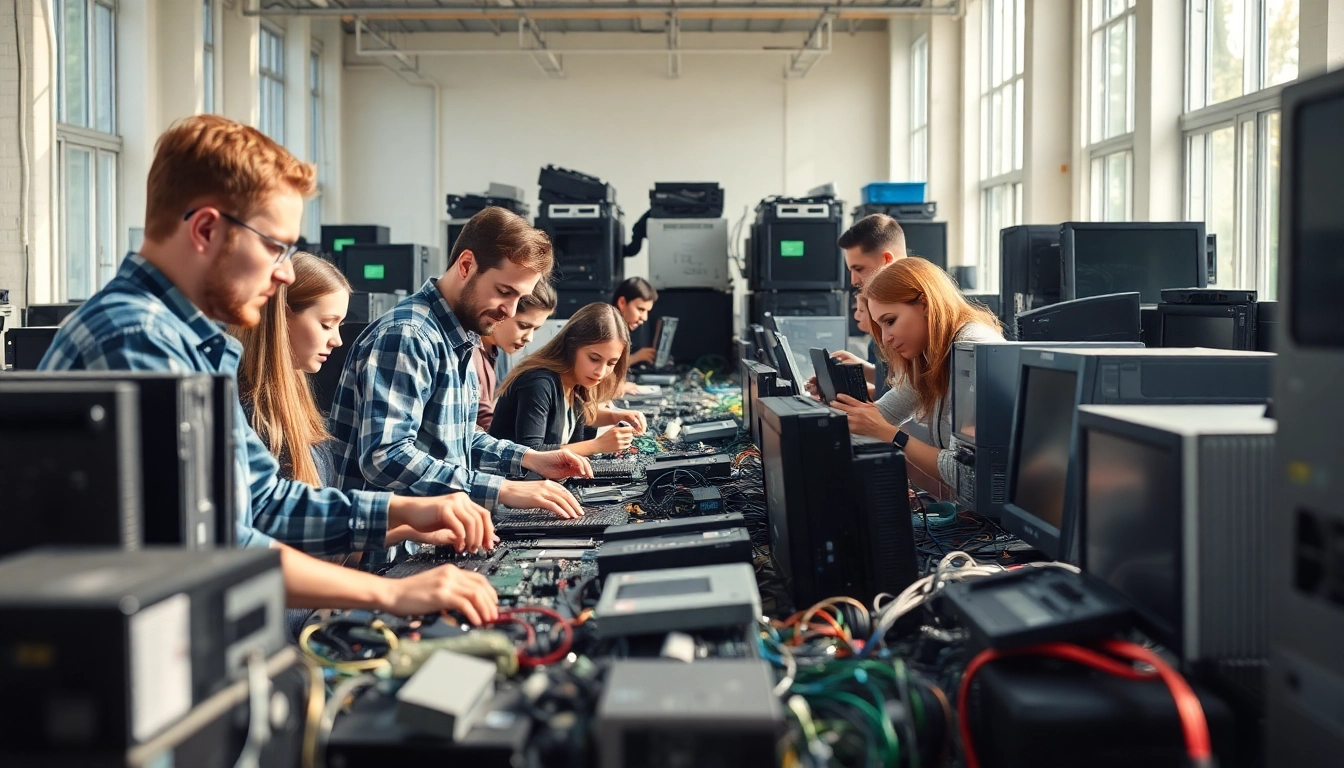
Free computer recycling refers to the process of discarding old or unwanted computers in an eco-friendly manner without incurring any expense. This service allows individuals and organizations to safely dispose of their electronic waste (e-waste) while ensuring that harmful materials do not end up in landfills. By utilizing free computer recycling services, users can contribute to environmental sustainability and fulfill their corporate social responsibility.
Importance of Responsible Electronic Waste Disposal
The rise of technology has led to an exponential increase in electronic devices, resulting in significant amounts of e-waste. Responsible disposal of this e-waste is crucial for several reasons:
- Environmental Protection: Many electronic devices contain hazardous materials such as lead, arsenic, and mercury, which can harm the environment if not disposed of properly.
- Resource Recovery: Recycling electronics helps recover valuable materials like copper and gold, reducing the need for mining and conserving natural resources.
- Compliance with Regulations: Many regions have laws regarding the disposal of electronic waste, and complying with these regulations can save businesses from legal penalties.
Potential Risks of Improper Disposal
Unfortunately, improper disposal of computers and electronic devices can have dire consequences:
- Environmental Degradation: E-waste that ends up in landfills can leach toxic chemicals into the soil and groundwater.
- Health Risks: Workers in informal e-waste recycling sectors are often exposed to harmful substances, which can lead to severe health problems.
- Data Breach: If personal data from old computers is not adequately wiped, it can lead to identity theft and unauthorized access to private information.
How to Choose a Recycling Program
Factors to Consider in Free Computer Recycling Programs
When selecting a recycling program, there are critical factors to evaluate:
- Reputation: Look for established and trusted recycling services with a proven track record to ensure reliability.
- Free Services: Confirm that there are no hidden fees involved and verify that the service is genuinely free.
- Acceptable Items: Different programs have varying policies on the types of devices they accept. Ensure that your equipment fits their criteria.
Finding Local Free Computer Recycling Services
There are several ways to locate nearby free computer recycling services:
- Online Searches: Utilize search engines to look for recycling programs in your community.
- Local Municipal Resources: Check local government websites for designated e-waste recycling events and programs.
- Community Centers: Often, community centers or non-profits host recycling drives where you can drop off your electronic waste.
Checking for Certification and Compliance
It's essential to ensure that the recycling facility is certified and compliant with relevant regulations. Certifications such as R2 (Responsible Recycling) and e-Stewards indicate that the program meets high environmental and data protection standards. Always ask recycling providers about their certifications to guarantee responsible recycling practices.
Benefits of Free Computer Recycling
Environmental Advantages
Engaging in free computer recycling contributes to ecological sustainability by:
- Reducing Landfill Waste: Proper recycling diverts large amounts of e-waste from landfills, where it would otherwise leach toxic substances.
- Conserving Resources: Recycling allows the extraction of valuable materials, decreasing the need for new raw materials extraction.
- Saving Energy: Recycling typically uses less energy compared to manufacturing new products from virgin materials.
Economic Incentives
Free computer recycling can also lead to economic benefits:
- Cost Savings: Many businesses and households can save on disposal costs by using free recycling services.
- Job Creation: The recycling industry creates jobs in logistics, processing, and environmental management, boosting local economies.
- Market Growth: As more consumers demand eco-friendly practices, companies adopting responsible recycling protocols can gain a competitive edge.
Community Impact and Awareness
Participating in recycling initiatives helps raise awareness within communities about the importance of sustainable practices. It can foster community responsibility and encourage others to adopt environmentally friendly behaviors, thereby creating a culture of sustainability.
Steps to Prepare Your Equipment for Recycling
Data Wiping Best Practices
Before recycling your computer, it’s crucial to securely wipe any personal data:
- Backup Important Files: Ensure that all important files are backed up before wiping your device.
- Use Data Wiping Software: Tools such as DBAN (Darik's Boot and Nuke) assist in securely erasing data beyond recovery.
- Remove Hard Drives: For added security, consider physically removing hard drives from devices and storing them in a secure location.
Removing Accessories and Components
Before taking your device to a recycling facility, remove any accessories:
- Detachable Components: Take off cables, peripherals, and accessories that can be reused or recycled separately.
- Check Components for Recyclability: Some parts like batteries may have specific disposal processes.
- Documentation: Retain receipts or documentation of your device for warranty or for tracking your recycling efforts.
Safe Transportation of E-Waste
Transporting your e-waste safely is vital to prevent damage and data exposure:
- Secure Packaging: Use protective materials to ensure devices do not get damaged during transit.
- Plan Your Trip: Research directions to the recycling center and their operating hours beforehand.
- Transport with Care: Avoid stacking heavy items on top of electronics during transport to prevent breakage.
FAQs About Free Computer Recycling
What is free computer recycling?
Free computer recycling allows individuals to dispose of their old computers and electronics without incurring any fees. It helps in environmentally friendly disposal and resource recovery.
How do I dispose of my old laptop for free?
Old laptops can be disposed of for free by taking them to designated recycling centers or participating in local e-waste recycling events.
Are there any fees associated with free computer recycling?
Reputable free computer recycling programs should not charge any fees. Always verify the terms before committing to a service.
Can businesses utilize free computer recycling programs?
Yes, many free recycling programs cater to businesses, allowing them to responsibly dispose of outdated equipment while ensuring data security.
What happens to my data during recycling?
Responsible recycling programs will ensure that all data is permanently wiped from the device, usually following industry-standard practices to prevent any unauthorized access.